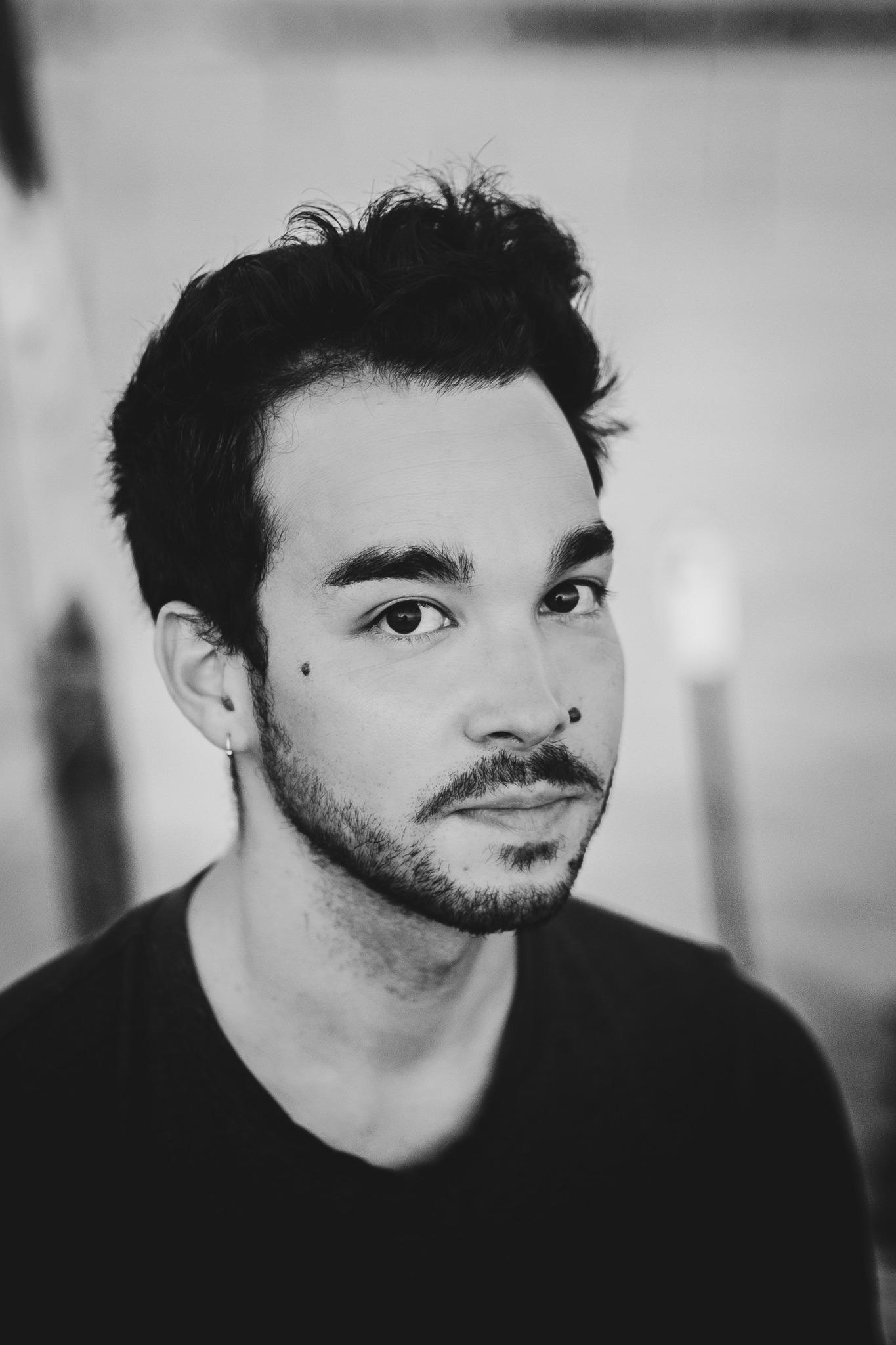
Could you describe what you do as an audio engineer in words that are understandable to an audiophile?
I'm a sound engineer and producer specializing in classical music CD productions. My work involves creating the most natural and balanced sound possible by carefully positioning musicians in acoustically suitable environments such as concert halls, churches, or studios.
During recording sessions, I guide the musicians both technically and artistically, following the score and their musical intentions to help achieve the best possible interpretation. A key part of my role is to foster an inspiring and focused atmosphere, allowing artists to fully express themselves. To do this effectively, I aim to be a trusted musical and human reference so they can rely on my ears and concentrate fully on their performance.
After the recording, I return to the studio to edit and mix the material, ensuring the final result aligns as closely as possible with the musicians' artistic vision, both technically and musically.
Were you an audiophile before you became an audio professional? What led to this career choice?
I wasn't an audiophile before becoming an audio professional. My background is rooted in music, as I was a young pianist studying at the conservatory while also pursuing studies in science. I was looking for a way to bring these two worlds together.
What drew me in wasn't the gear or the technology, but the music itself. I was always fascinated by how musicians shape their interpretations, and I wanted to be part of that creative process. I was also deeply inspired by the atmosphere of recording sessions, seeing audio engineers working behind the scenes in beautiful, empty concert halls or churches. It felt like a privilege to contribute to something so meaningful, and that's what led me to this path.
Do you still enjoy listening to music for leisure these days?
Honestly, I don't have much time to listen to music purely for leisure. After long recording or editing sessions, I often need to give my ears a rest. That said, I do regularly listen to recordings to analyze the sound and learn from them.
When I do listen for pleasure, it's usually older classical interpretations, world music, or jazz. I'm especially inspired by musicians who have a naturally fluent and expressive musical language. Traditional music, in particular, is a constant source of inspiration for me.
What are some of your favorite works that inspired you when you were an aspiring audio engineer?
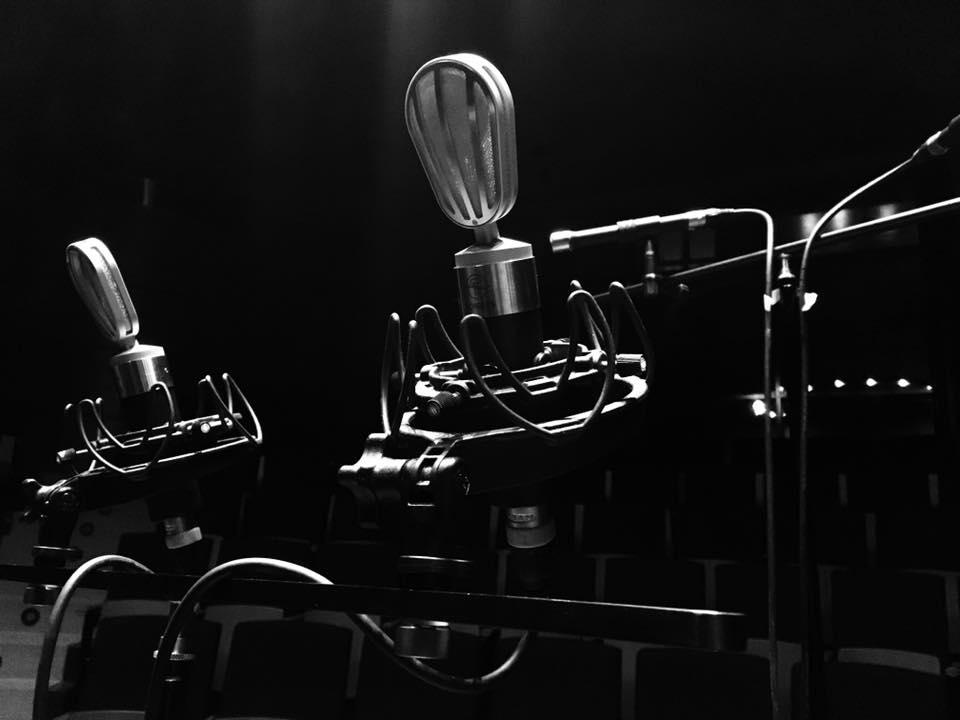
I've spent a lot of time listening to the early Alpha collection, and I've been deeply inspired by the natural sound of those recordings, often made with just a pair of DPA 4006 microphones. I was also very influenced by certain jazz albums from Label Bleu, where the production was not only technically excellent but also retained a strong sense of natural acoustic presence. In addition, I've listened extensively to the Mercury Living Presence recordings, many of which were captured using a Decca Tree setup—those have been a major reference for me in terms of spatial depth and musical clarity.
What are some of your own works that you're most proud of?
My work is always about refining small details and constantly looking for ways to improve. That makes it hard to feel a sense of final pride, because I'm always in motion, always evolving. That said, there are a few albums I've worked on that I feel represent strong moments in my journey.
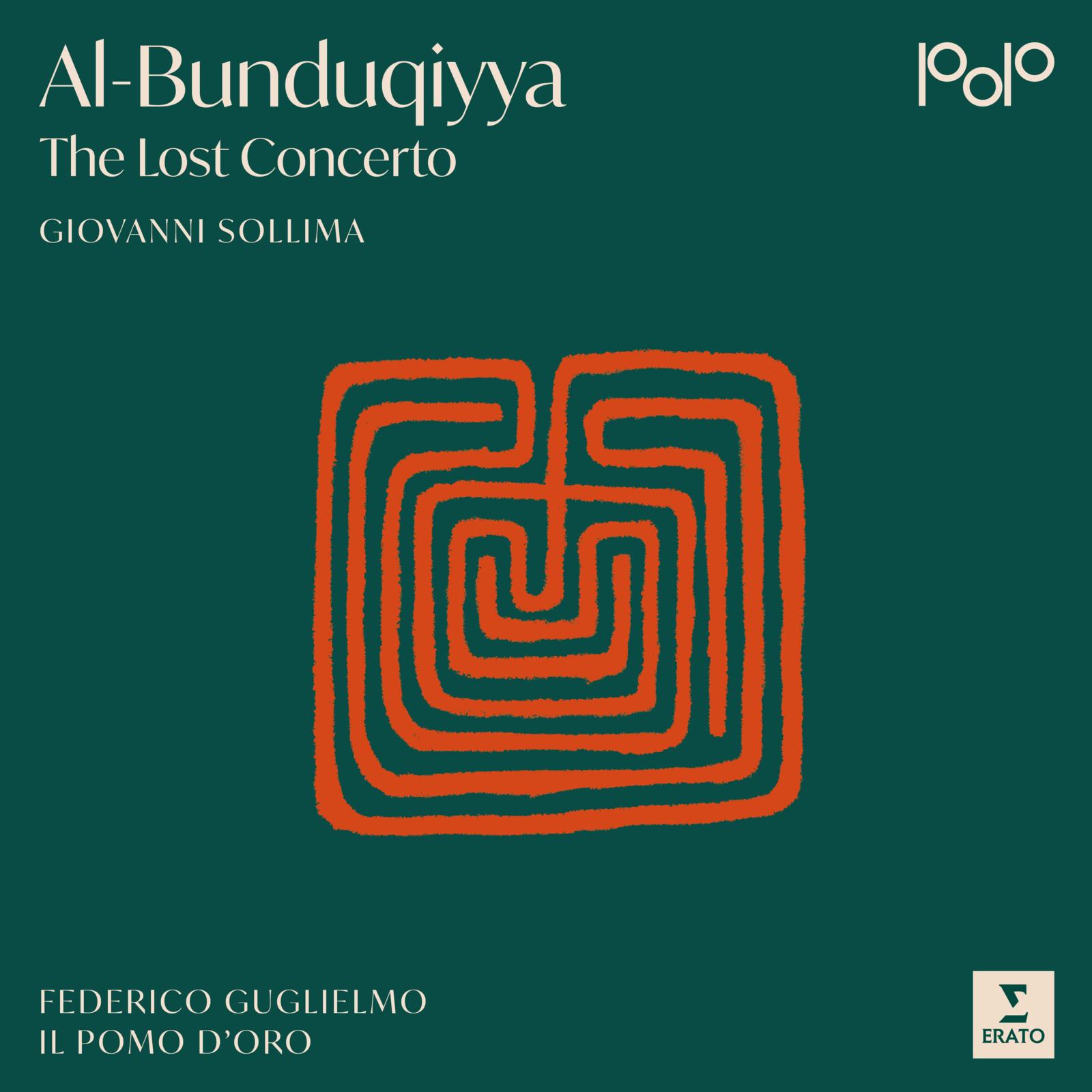
For example: The Age of Extremes with Francesco Corti and Il Pomo d'Oro, Debussy Ravel Attahir with Quatuor Arod, Al Bunduqiyya with Giovanni Sollima and Il Pomo d'Oro, Nocturne and Hypnos with La Tempête.
Just to name a few.
All audio professionals use headphones at one point or another in their workflow. How do you use headphones?
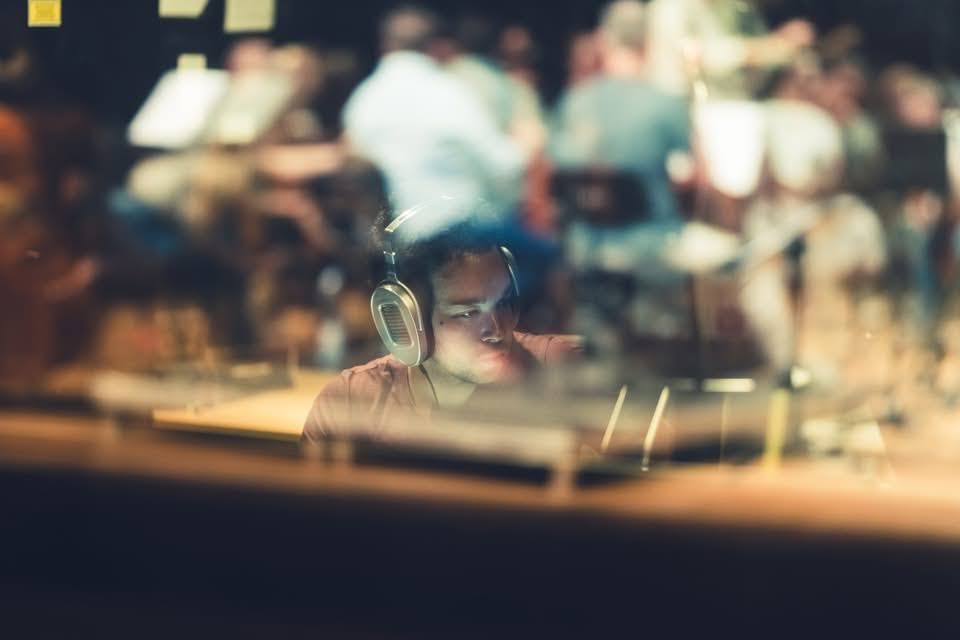
Headphones are essential to me because I usually record outside of my studio, in spaces where proper listening conditions aren't always available. I rely entirely on trusted headphones to make my initial balance decisions. I often use several pairs with different sound signatures to cross-check the balance and get a more complete picture.
Since I wear them for long hours during sessions, they need to be not only sonically accurate but also very comfortable. Once I'm back in my studio, headphones remain a useful reference for fine adjustments, but most of the editing work is done on my PSI A25M speakers.
Has HIFIMAN headphones informed your production decisions or the way you listen/mix/master?
Using the HiFiMan HE1000 Unveiled has truly been a game changer for me. The comfort is exceptional, to the point where it feels like there's nothing between you and the music. Their openness creates a remarkably natural listening experience. I can have them all day without fatigue!
The dynamics are powerful but never tiring, and the spatial imaging is outstanding, which really helps me place spot microphones at just the right distance. These headphones also allow for very precise work on reverbs, offering a clear sense of depth and space.
The frequency spectrum is extremely well balanced. Despite their fast response, nothing ever feels aggressive or fatiguing. I especially appreciate the high frequencies above 10 kHz, which are soft and mellow while still delivering an airy, detailed sound..
What are some of the exciting upcoming works you would like to share with us?
I have many ongoing projects, but one of the most special to me is the recording of two historical Ruckers harpsichords with my dear and longtime friend Jean Luc Ho. Stay tuned for updates. You can check updates on kenyoshida.fr.
← Back to Artists